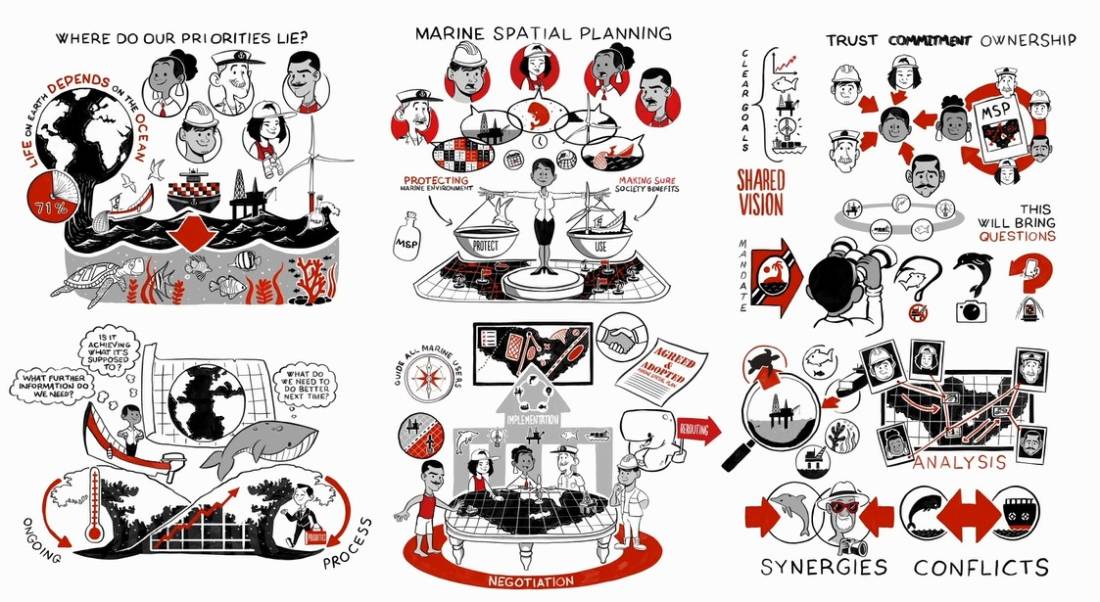
Marine Spatial Planning in a Nutshell
Marine Spatial Planning is spreading across the globe as a new way to achieve sustainable development of the world’s seas and oceans. -- What does mean? How does it work?
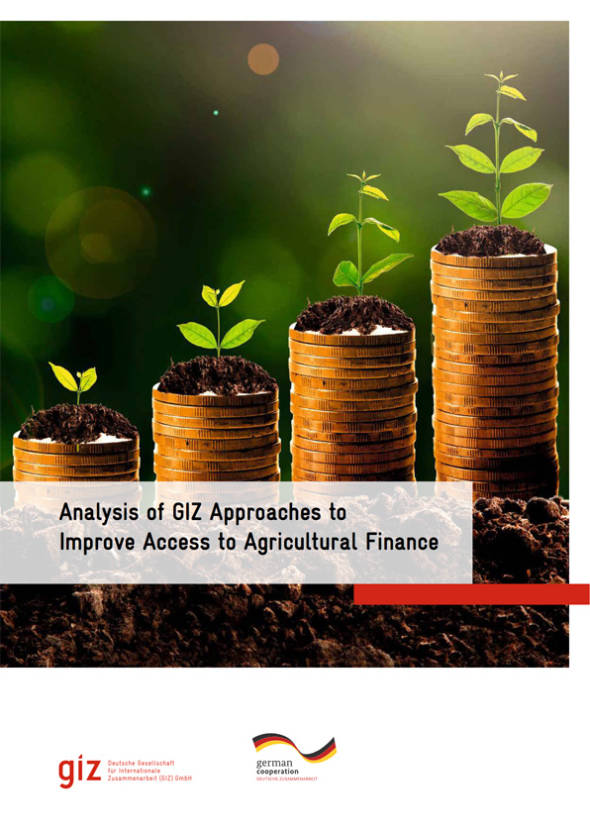
Analysis of GIZ Approaches to Improve Access to Agricultural Finance
Access to demand-driven financial services is key for the agribusiness sector. This study looked at how far GIZ programmes and other stakeholders provide what is needed
Creating a Future Through Better Nutrition: The Global Programme Food and Nutrition Security, Enhanced Resilience
The Global Programme Food and Nutrition Security, Enhanced Resilience is currently operating in 11 African and Asian countries. Find the information to each of their diverse activities.

The Magical Transformation of Muddy Water
Not having access to clean drinking water is a common but extremely serious problem in the Ethiopian highlands. It forces local residents to take long walks and to consume polluted, unsafe water. A GIZ project demonstrates how innovative water filters contribute to healthier lives for thousands of people.
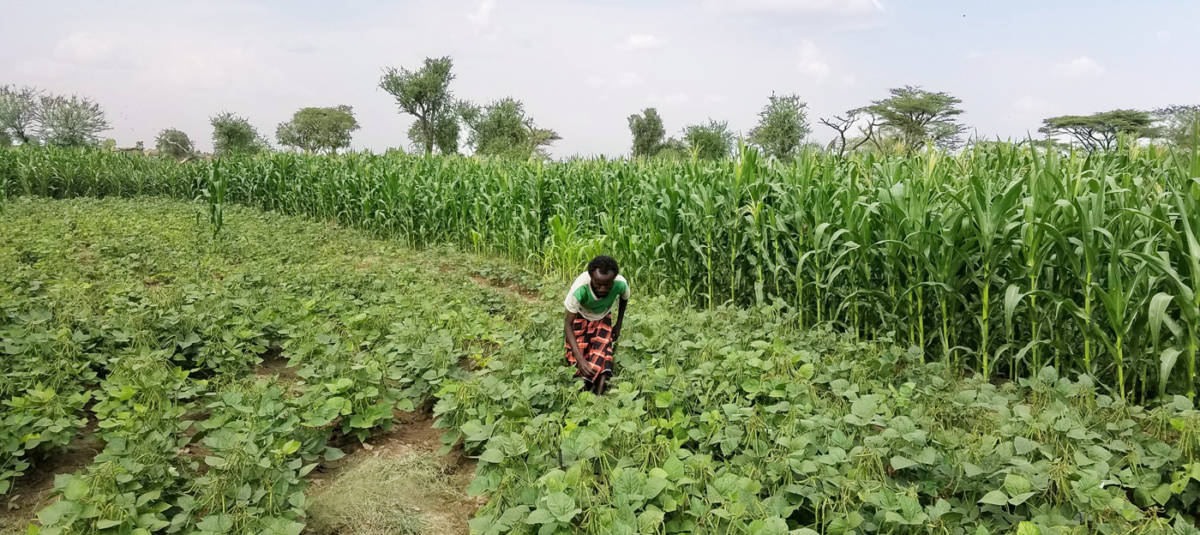
The Lone Green Patch on a Denuded Stretch of Land
A case study from the Afar region in Ethiopia on digitization of land use, crop and forage productivity as well as its contribution to food security -- by ICRISAT.
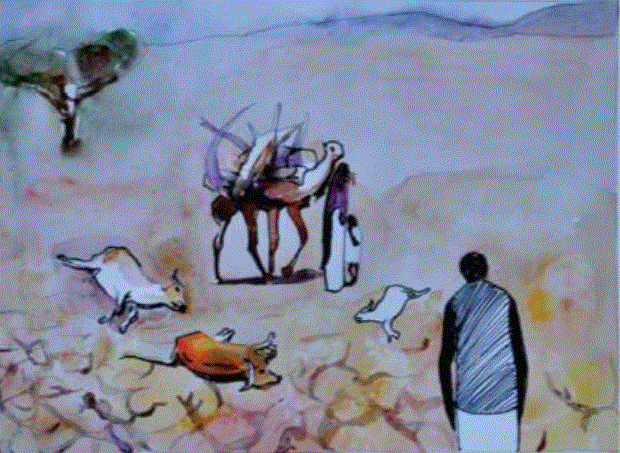
Art for Agriculture
10 artists exhibited their work on agriculture in Addis Abeba. Find the catalog of their work.
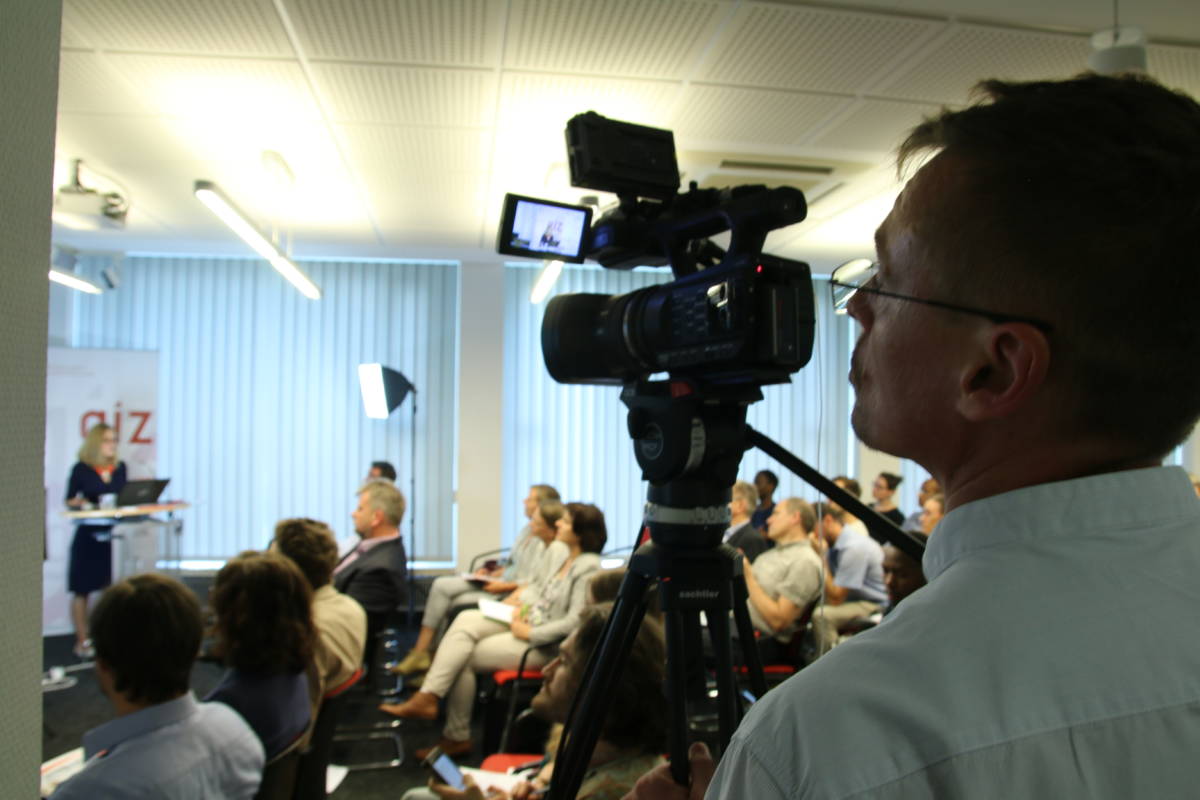
SNRD Africa Goes Digital
We are making big strides with our use of state-of-the-art technology. New website and newsletter format, Youtube channel and livestreaming from the plenaries in Pretoria. Learn more about the concept and what you can do to keep the momentum. (...)
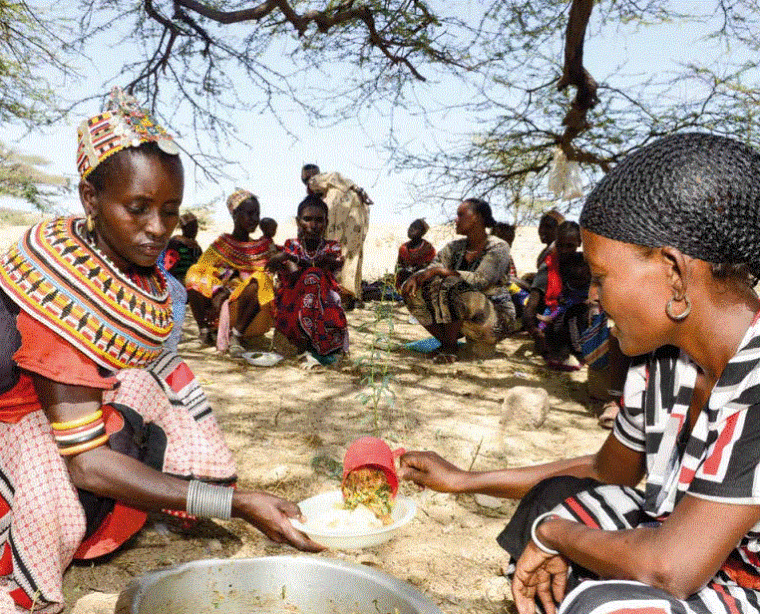
Die Rolle von sozialer Sicherung für die Ernährungssicherung
Soziale Sicherungsmaßnahmen unterstützen ländliche Haushalte in Krisensituationen. Sie verbessern die Ernährungssicherheit und ermöglichen Haushalten, mit Risiken besser umzugehen und in profitablere Lebensgrundlagen zu investieren. Sie leisten aber noch viel mehr. - Beitrag von Barbara Rohregger
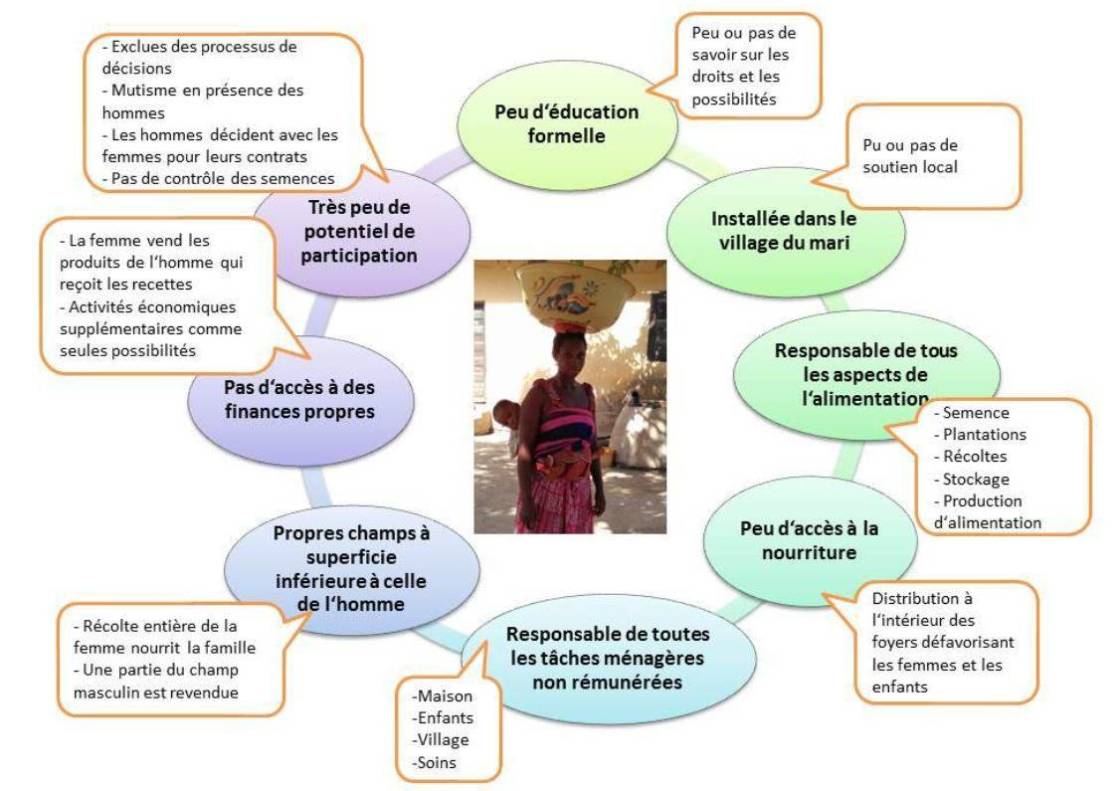
La plus-value des études de genre pour les projets avec des composantes nutrition L’exemple du Togo
La politique de coopération allemande s’est engagée à adopter une approche fondée sur le respect des droits de l’humain. Le respect des droits de la femme ainsi que l’égalité des chances, des responsabilités et du pouvoir d’influence, constituent un but à part entière et des principes directeurs. Le soutien à l’égalité hommes-femmes représente une mission pluridisciplinaire et constitue un indicateur de qualité pour tous les secteurs de la coopération économique allemande.
