SEWOH Enhanced Resilience Baseline Survey Report
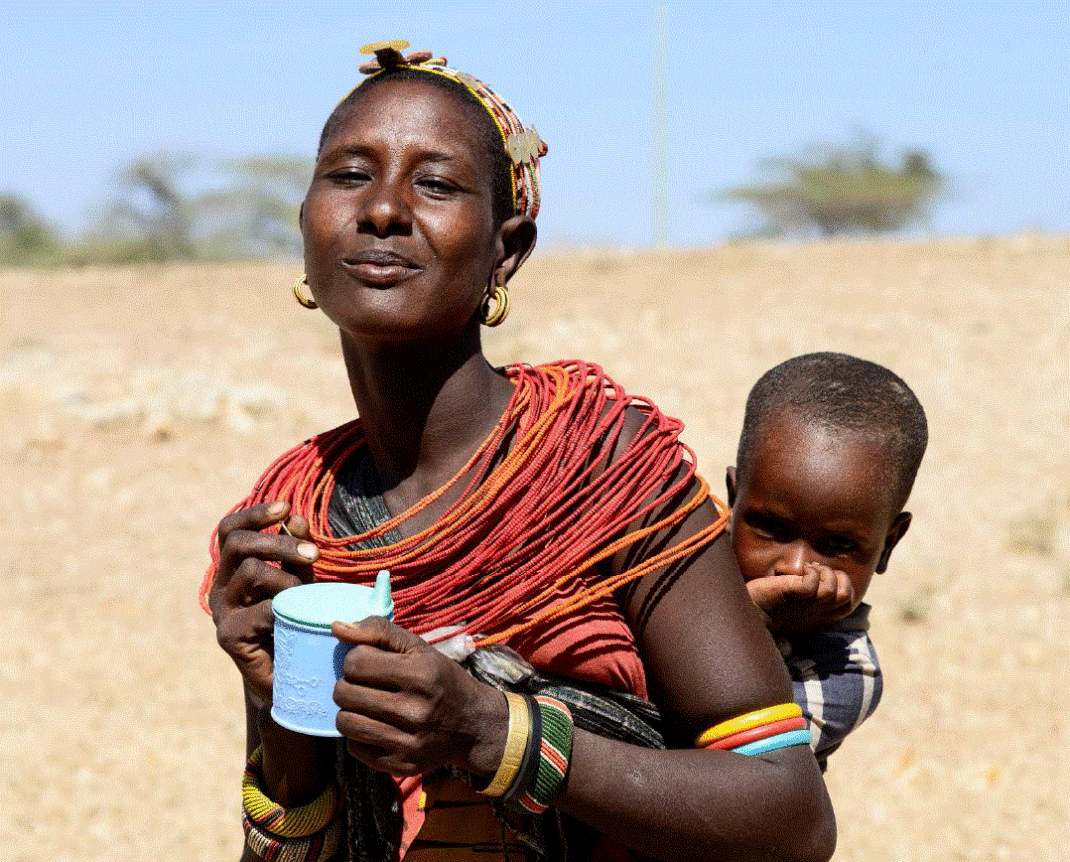
Aggregated results from 10 nutrition baseline surveys in Africa and Asia. This study is unique because of its geographic and cultural scale.
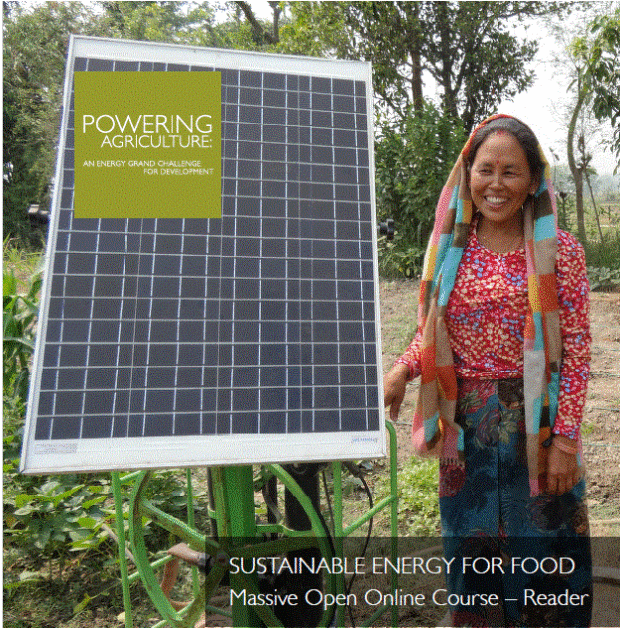
30 percent of the available energy globally is used for producing and processing food. Sustainable energy solutions in agri-food chains are required. Approaches are required that enhance food and energy security but tackle climate change at the same time.
SNRD Africa's online community on Global Campus will be moved to the new IT solution called IDA, provided by GIZ. The virtual community SEWOH CONNECTED will be merged into it with regards to its thematic working groups for better technical exchange. (...)
Well-nourished children grow up to become employable youth – why nutrition-sensitive programming leads the way to enhanced youth employment.
The GIZ CAADP Support Programme will continue to support the second round of the Malabo Domestication and Country Support Missions to help countries develop Malabo-compliant National Agricultural Investment Plans by incorporating key themes.
The Intergovernmental Science-Policy Platform on Biodiversity and Ecosystem Services IPBES aims to strengthen the knowledge/policy interface in the biodiversity arena (…)
What are effective ways to foster sustainable management of marine resources while improving human well-being? What are the best practices that have worked on the ground, and what are common success factors?
In Africa, the world sees the most rapid population growth. It is concurrently experiencing a youth bulge – an expanding population of tech-savvy, well-educated, job-ready 18-35-year-olds.
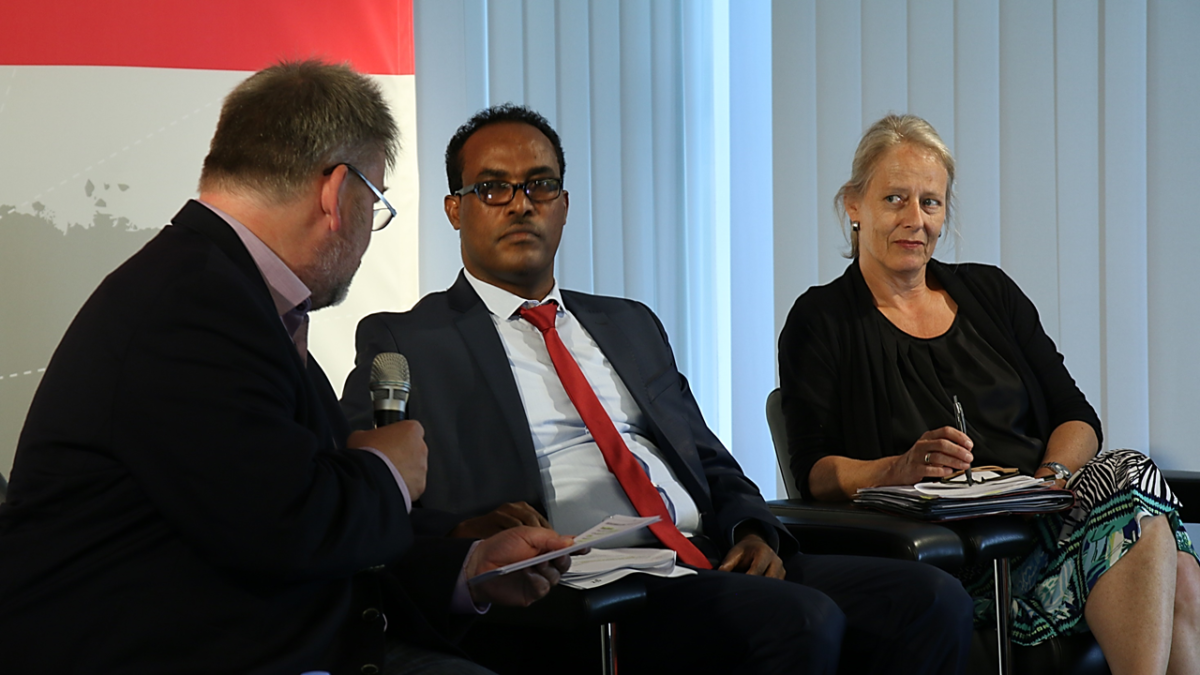
At the SNRD Africa conference in Pretoria, the CoP ICT4Ag was launched into life. It is open to anyone working in the area of information and communications technologies for agriculture in developing countries.
Based on the previous work plan, the workgroup Climate Change, Livelihoods, Natural Resources Management has elaborated a new plan for until the end of 2018.