Why Planting Trees Isn’t Fixing Degraded Forest Landscapes
How assisted natural regeneration offers a faster, more scalable, and community-driven alternative in Cameroon
The Added Value of This Article
Hover over to have a look!Value add for readers
- If restoration efforts stall or become too costly, shifting from tree planting to assisted natural regeneration can unlock faster and more scalable results.
- Protecting natural regrowth (e.g. from fire or grazing) can be more effective than replanting—especially in already degraded forest landscapes.
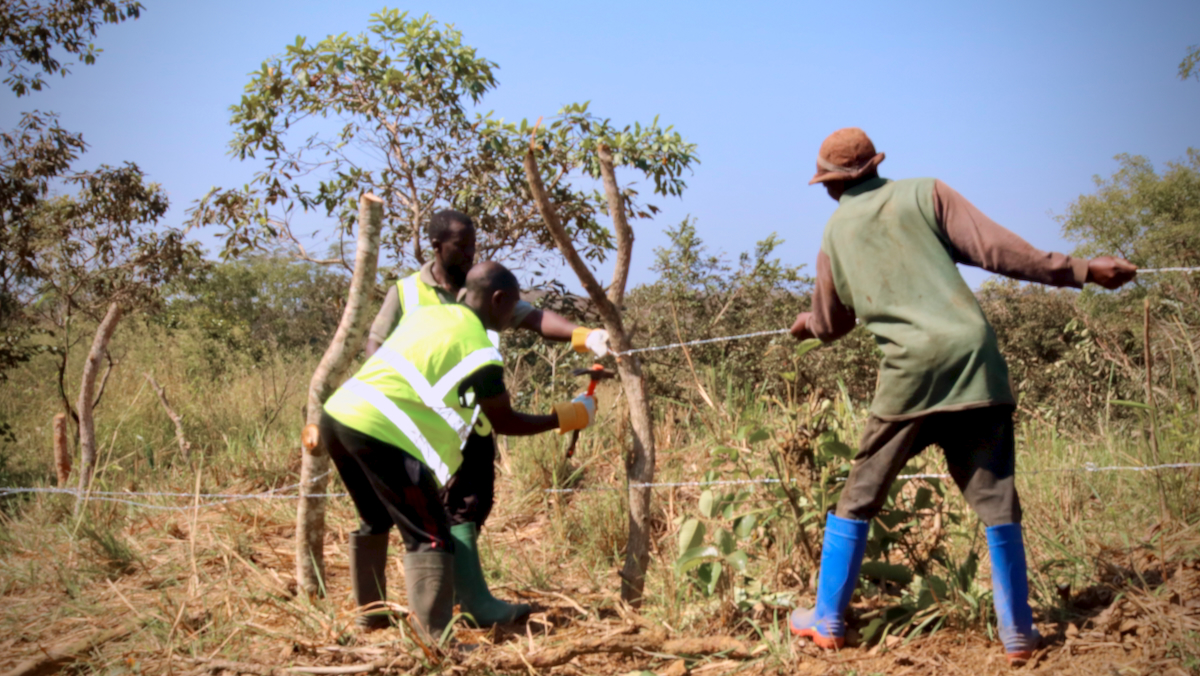
ANR site protection from domestic animals in MBATOUA ⎮ Visual: ©GIZ
Tree planting is widely seen as the default solution to restore degraded forest landscapes. But in practice, it is often too costly, too slow, and too resource-intensive to scale.
In Cameroon, an alternative approach is emerging: instead of planting trees, the Forests4Future project focuses on removing the barriers that prevent forests from regrowing naturally. This method, Assisted Natural Regeneration, is proving that restoration can be faster, more affordable, and more sustainable when nature does most of the work.
What restoration looks like when you stop forcing it
Assisted natural regeneration is a restoration method that enhances natural processes to rehabilitate degraded lands, with limited human interventions to remove barriers and threats that hinder the growth of natural vegetation.
Simply put, assisted natural regeneration is a cost-effective, nature-based solution for restoring extensive land surfaces by eliminating barriers and threats that hinder the re-establishment of natural vegetation.
Assisted natural regeneration can also involve the selective planting of desired tree species if degradation has reached a point where these species can no longer re-colonize the land naturally.
From concept to practice: how assisted natural regeneration is applied on the ground
GIZ Forests4Future implements assisted natural regeneration in the Yoko and Nanga-Eboko forest landscape through the following steps:
- Community sensitization: raising awareness among local populations about the concept and benefits of assisted natural regeneration
- Site identification and mapping: selecting and clearly demarcating suitable areas
- Barrier/threat analysis: identifying threats such as bushfires and uncontrolled grazing
- Targeted interventions: establishing firebreaks and fencing to protect sites
- Securing community commitment: signing collaborative management agreements to ensure long-term protection
These measures directly address the main obstacles to natural regrowth, allowing vegetation to recover without continuous external input.
What happens when you remove the barriers
The project, together with its implementation partners—the Yoko and Nanga-Eboko councils and the Ministry of the Environment, Protection of Nature and Sustainable Development (MINEPDED)—has secured the protection of approximately 1,350 hectares of degraded land.
These areas are now on track to natural regeneration, demonstrating that assisted natural regeneration is not only cost-effective but also scalable.
Why this approach changes the restoration equation
- Restoring ecological functions: supports habitats, biodiversity, and ecosystem services such as food, medicine, and materials for local populations
- Reducing costs: minimizes the need for nurseries and large-scale planting campaigns
- Scaling restoration: enables large areas to recover within shorter timeframes
- Strengthening ownership: involves communities directly, fostering long-term stewardship
- The real condition for success
Assisted natural regeneration shows strong potential to restore degraded landscapes at scale. However, its long-term success depends on effective management systems and fair benefit-sharing mechanisms that keep communities engaged in protecting these areas.
If these conditions are met, assisted natural regeneration can play a substantial role in helping Cameroon reach its AFR100 commitment of restoring more than 12 million hectares of degraded land by 2030.
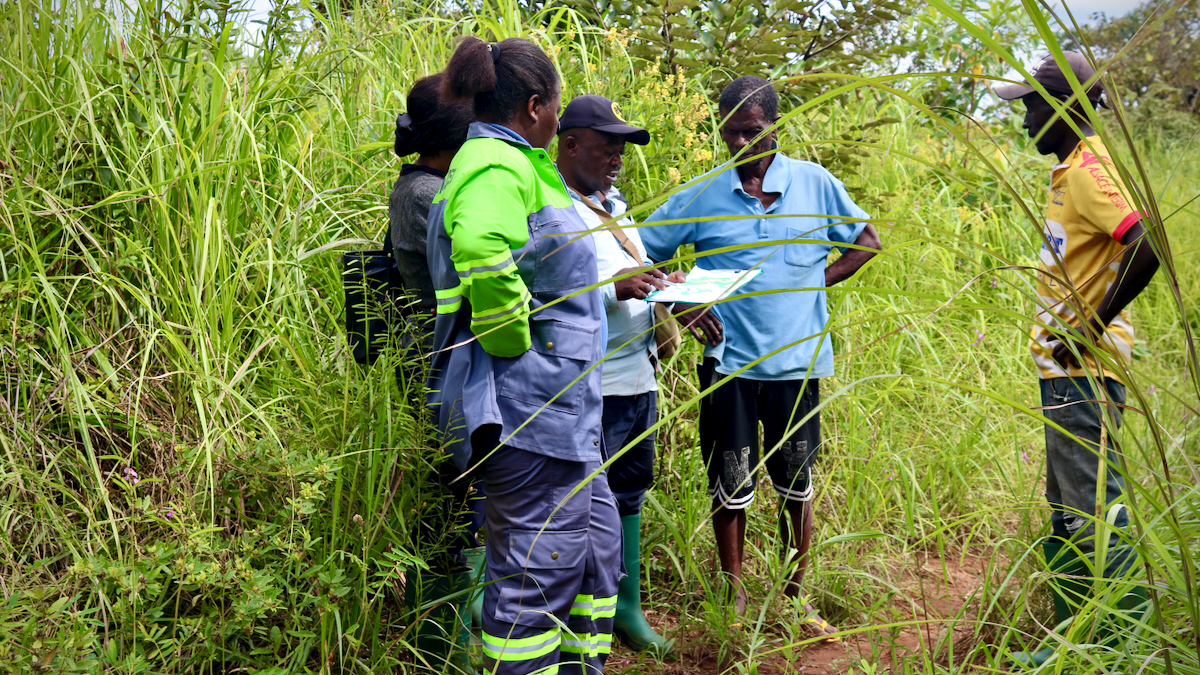
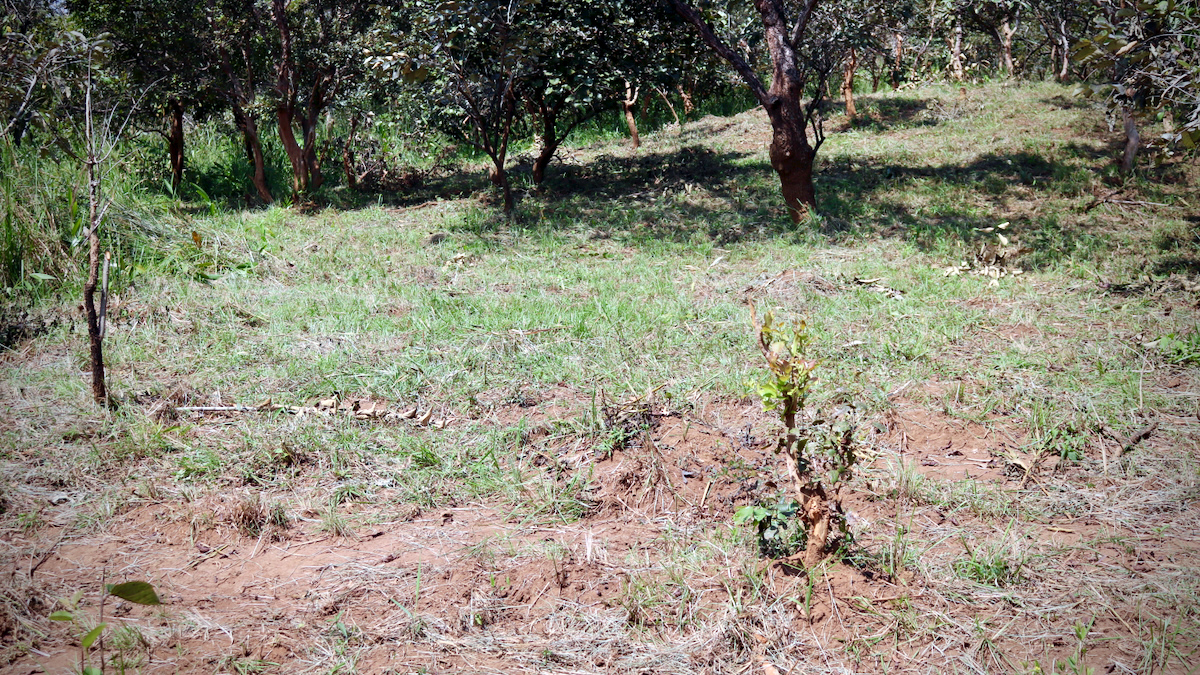
AMINEPDED, GIZ & community leaders analysing threats on an ANR site in Mbatoua (left) and artificial fire break on an ANR site at Mbembeing (right) ⎮ Visuals: ©GIZ
Contact
Gideon Neba Shu, gideon.shu@giz.de
