Why Farmers’ Organisations Want to Manage Climate Finance Themselves
A global alliance of farmer networks is pushing for direct access to climate funds and a stronger role in decision-making
The Added Value of This Article
Hover over to have a look!Value add for readers
- Understand why current climate finance structures struggle to reach farmers and how farmer-led approaches address this gap
- See concrete examples of how cooperatives and farmer organisations already manage funds, risk and services
- Identify practical elements that can be adapted to strengthen farmer involvement in other programmes
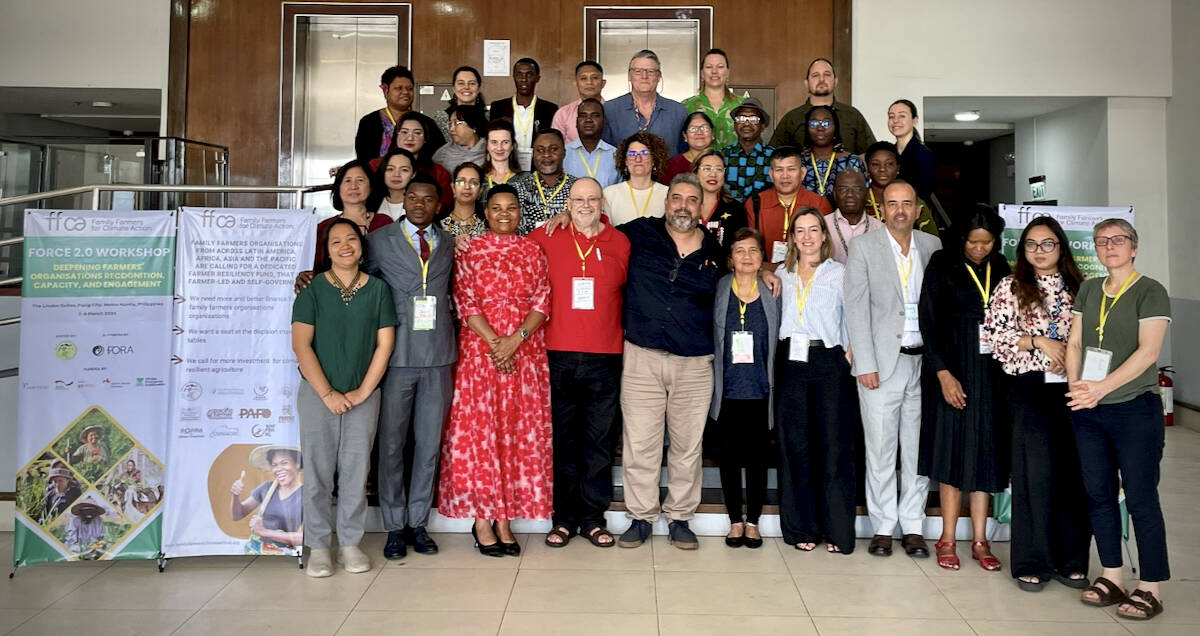
Participants of the workshop in Manila, the Philippines: ⎮ Visual: © Claudia Jordan/GIZ
Family farmers produce a third of the world’s food and are on the front line of the climate crisis — yet they receive just 0.3 percent of international climate finance for adaptation. A global alliance of farmers’ organisations is now challenging this imbalance, arguing that those closest to the problem are also best positioned to manage solutions.
At a workshop in Manila in early March, the Family Farmers for Climate Action campaign brought together organisations from Africa, Asia, Latin America and the Pacific to strengthen their joint approach. The organisation represents over 95 million producers across these regions and aims to amplify farmers’ voices in global processes while contributing evidence-based knowledge through its platform.
The structural gap in climate finance
Despite their central role in food production, small-scale farmers remain largely excluded from climate finance mechanisms. This gap is not only about access to funding but also about how funding systems are designed.
“We are better partners, we are on the ground. Our membership are the farmers. We know the farmers. We know the needs. We really can reach them and get their feedback and mobilise for actions, coordinate our actions together as key actors in development work.” — Esther Penunia, Secretary General of the Asian Farmers’ Association for Sustainable Rural Development
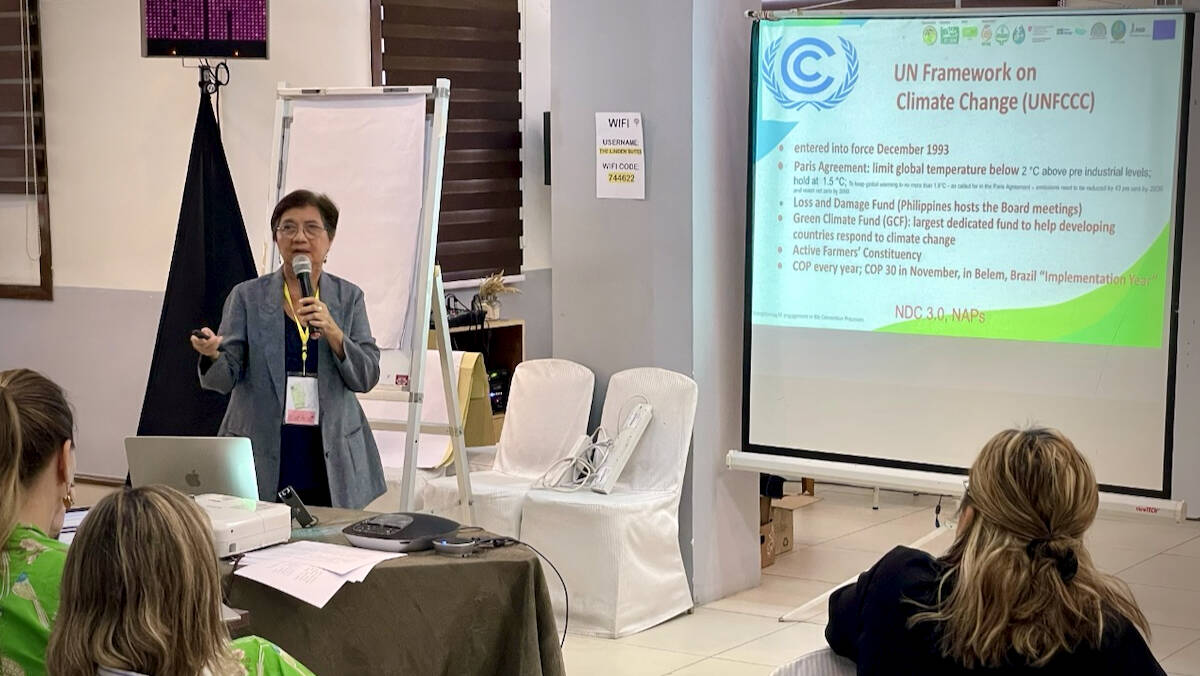
Esther Penunia, Secretary General of Asian Farmers’ Association for Sustainable Rural Development,
sharing her experience at the Climate COP ⎮ ©Claudia Jordan/GIZ
The workshop in Manila followed an earlier meeting of the campaign in Tanzania in 2025. It was hosted by the Asian Farmers’ Association for Sustainable Rural Development with support from the Foundation for Farmers Organisations for Restorative Action. The Intercontinental Network of Organic Farmers Organisations also participated.
From participation to direct access
The discussions in Manila focused on how farmers’ organisations can move beyond participation towards a more direct role in climate finance systems. Two key demands emerged:
- A stronger role for farmers’ organisations in decision-making and in shaping multilateral climate finance mechanisms
- The establishment of an umbrella fund that would allow climate finance to be channelled directly to farmers
“A farmer-led fund will show the world that farmers and even smallholders are capable at national, regional and international levels—if well organised—to manage their own finance and that they are even more efficient and effective, stronger and not always going through so many intermediaries.” — Pauline Buffle, founder of the Foundation for Farmers Organisations for Restorative Action
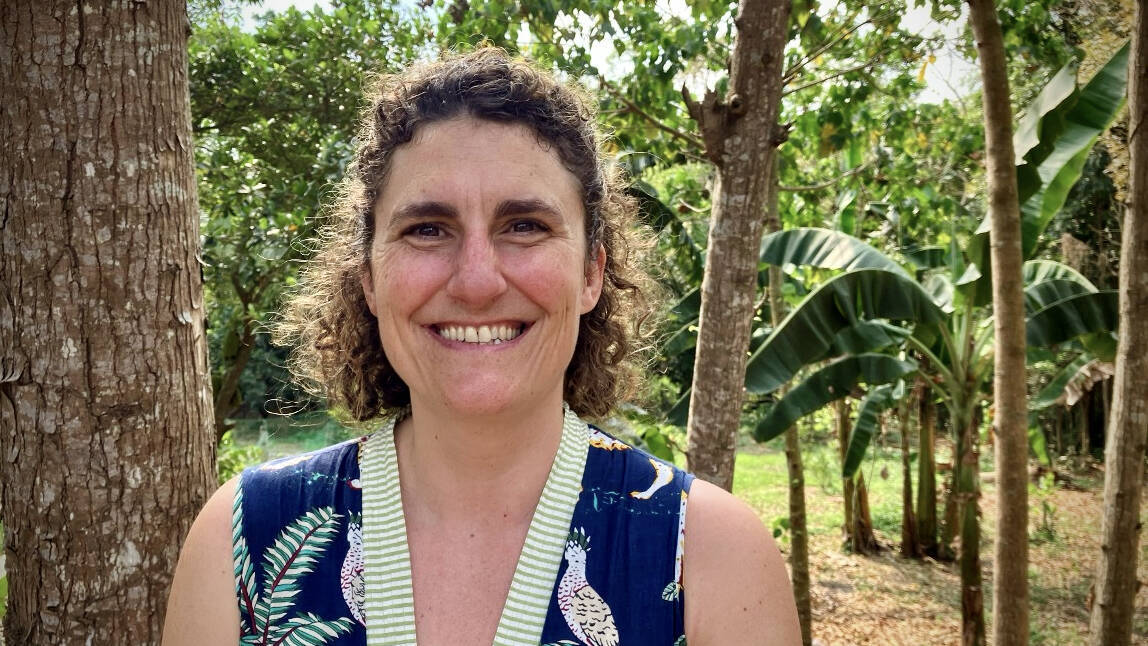
Pauline Buffle, founder of the Foundation for Farmers Organisations
for Restorative Action ⎸ ©Claudia Jordan/GIZ
Elizabeth Nsimadala, President of the Eastern African Farmers Federation, reinforced this point, highlighting that significant investments have already been made in building governance structures, leadership and systems within farmers’ organisations.
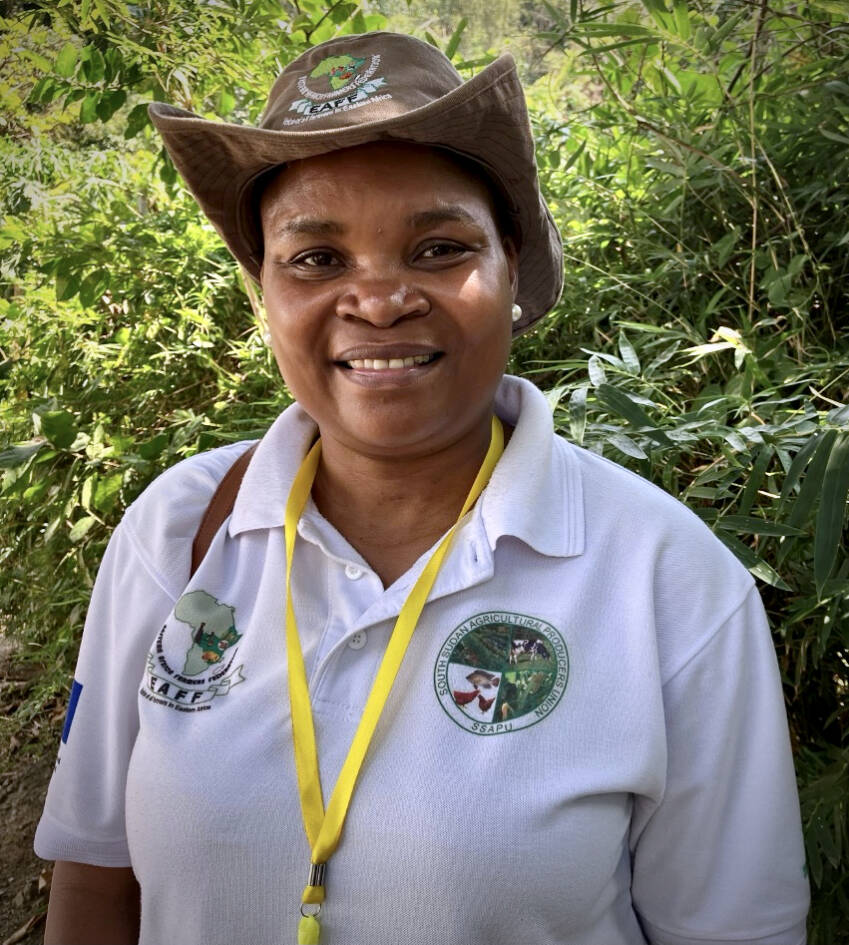
Elizabeth Nsimadala, President of the Eastern African Farmers Federation ⎸ ©Claudia Jordan/GIZ
Climate urgency and political realities
The Philippines provided a fitting backdrop for the discussions, as one of the countries most vulnerable to climate change. The country experiences an average of 20 typhoons per year.
“If it is the biggest crisis that we’ve ever faced, how can we have more money for wars, not on the climate crisis?” — Renato Redentor “Red” Constantino

Renato Redentor “Red” Constantino, Managing Director and Chief Archivist, Constantino Foundation
and founding board member of the People’s Survival Fund ⎮ ©Claudia Jordan/GIZ
Red also highlighted the country’s underutilised renewable energy potential and continued dependence on fossil fuels, with rising oil prices further affecting farmers.
“With the loudest voices of the richest, farmers have to make sure to be heard.” — Philippine Senator Francis “Kiko” Pangilinan
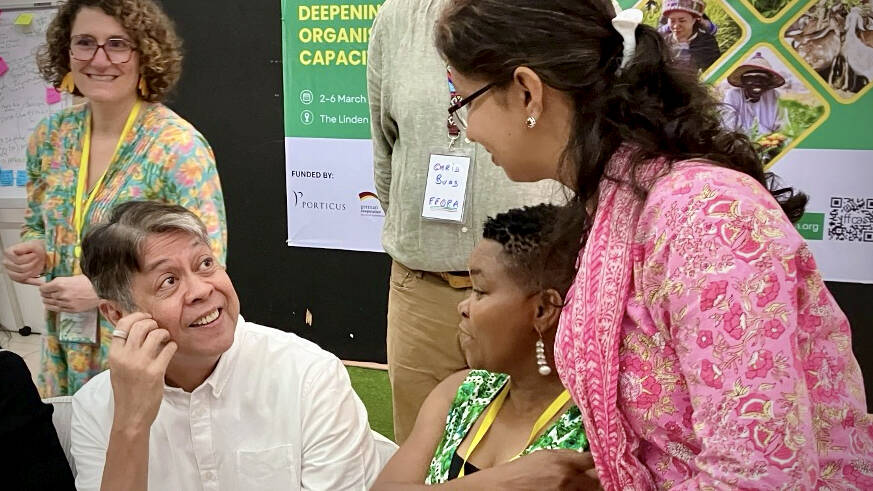
Philippine Senator Francis “Kiko” Pangilinan speaking to Shamika Mone, President of
the Intercontinental Network of Organic Farmers Organisations, and Elizabeth Nsimadala,
President of the Eastern African Farmers Federation ⎮ ©Claudia Jordan/GIZ
At the same time, the senator emphasised the importance of government procurement systems. The Philippine government purchases large volumes of food annually for public institutions such as schools, universities and emergency programmes, creating a stable market for farmers.
The African perspective: finance, value chains and stability
For African farmer organisations, the discussion on climate finance is closely linked to broader economic challenges.
“The challenge is that the level of access to agricultural credit is very low in Africa.” — Ibrahima Coulibaly, former President of the PanAfrican Farmers Organisation and leader within the Network of West African Farmers’ and Producers’ Organizations
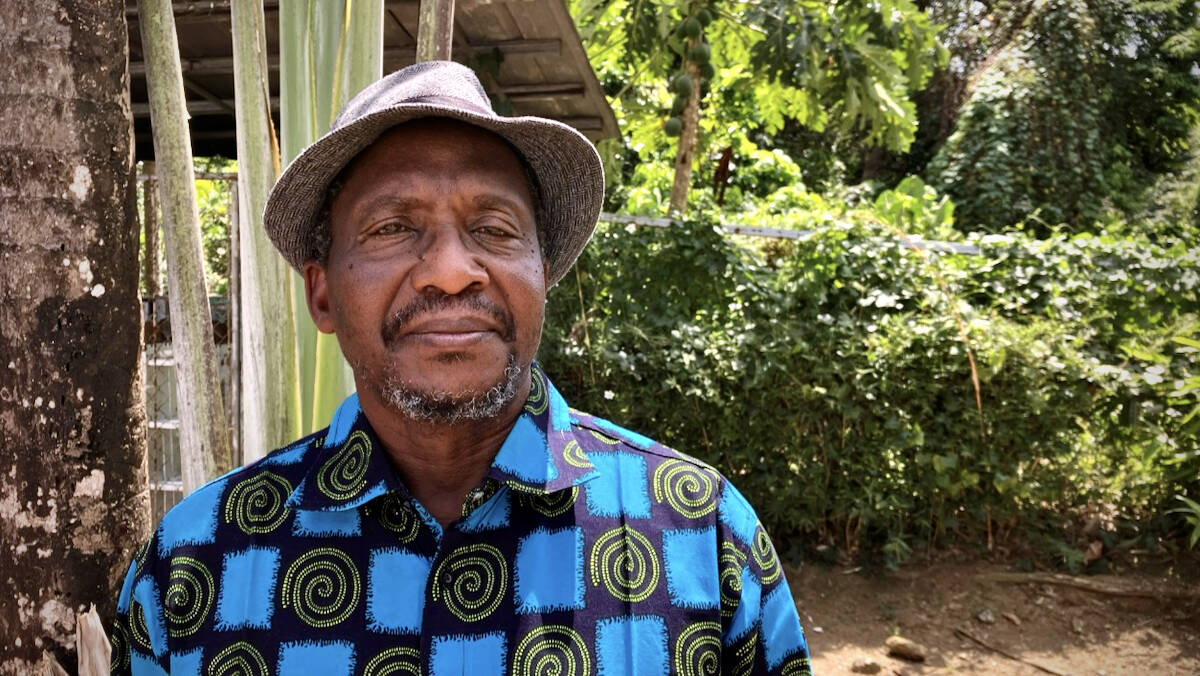
Ibrahima Coulibaly, former President of the PanAfrican Farmers Organisation ⎮ ©Claudia Jordan/GIZ
While many countries had developed agricultural policies, he emphasised that the key issue lay in structuring value chains that are effectively controlled by producers’ organisations. There were wider implications of underinvestment in agriculture, linking limited economic opportunities to broader instability and insecurity.
To address this, the Network of West African Farmers’ and Producers’ Organizations and the Eastern African Farmers Federation, together with GIZ, are developing a mechanism to monitor the implementation of the CAADP Kampala Agenda at national level. The aim is to strengthen government accountability in delivering on agricultural commitments.
What farmer-led systems already look like
Field visits in the Philippines provided practical insights into how farmer-led approaches already function. Participants visited cooperatives in Batangas, including the Philippine Family Farmers Agriculture Fishery Forestry Cooperatives Federation, which presented its work on climate-smart practices and a Climate Resilience Mechanism fund.
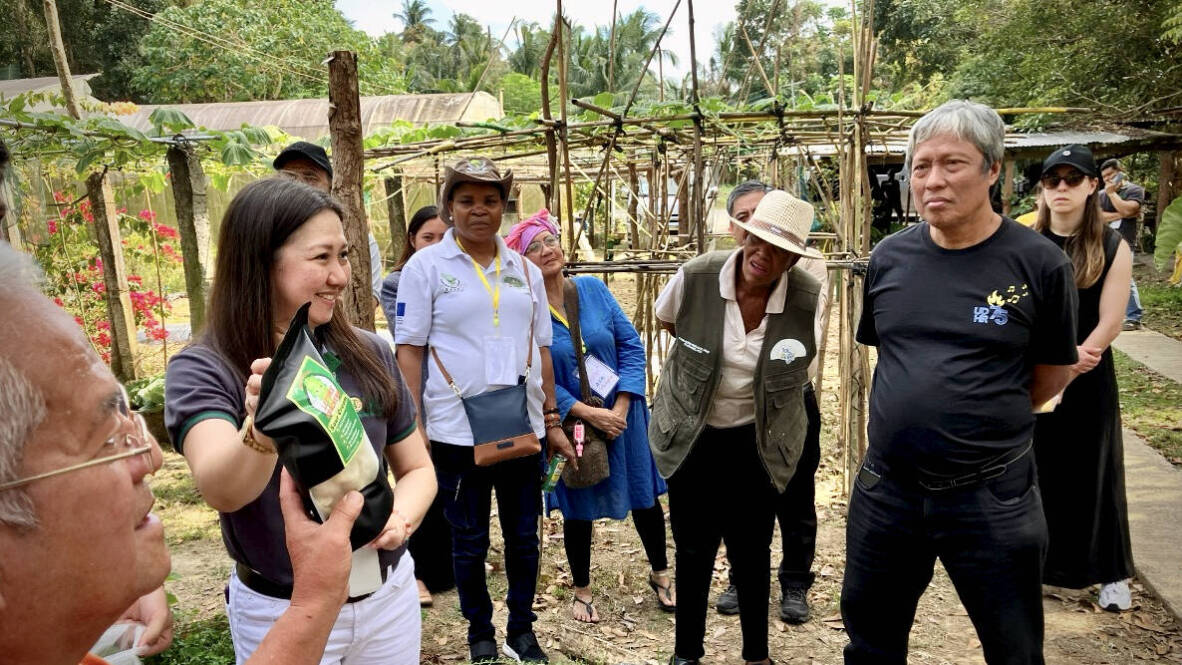
Participants at the Integrated Farm Happy Thumbs ⎮ ©Claudia Jordan/GIZ
The CLIMBS Life and General Insurance Cooperative showcased tools to mitigate the financial impact of climate-related disasters for farmers. The Sorosoro Ibaba Development Cooperative shared insights into its work with more than 55,000 members.
Participants also visited a small integrated farm called Happy Thumbs.
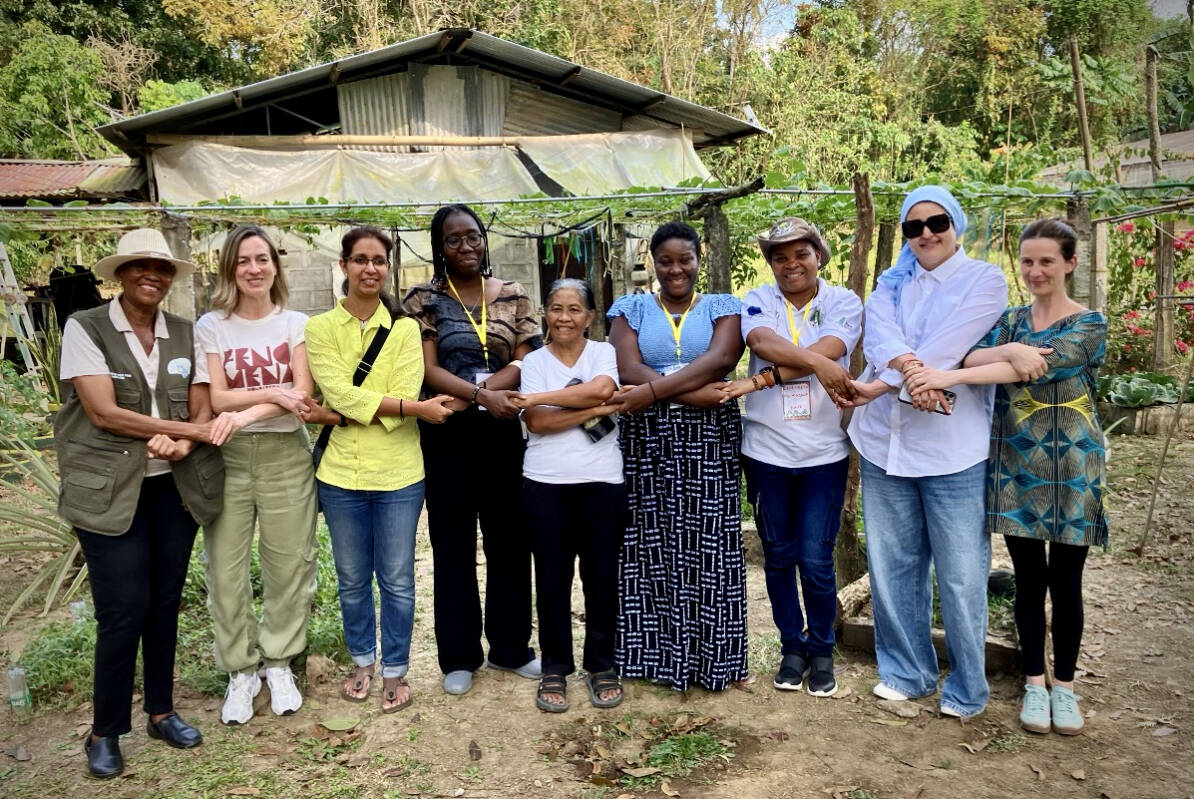
Female farmers gathering to celebrate the International Year of the Woman Farmer in the Philippines ⎮ ©Claudia Jordan/GIZ
“What I would want to see at the end of this year is full recognition of the women potential but also economic empowerment in terms of equal opportunities and space, investments and support.” — Elizabeth Nsimadala, President of the Eastern African Farmers Federation
The role of development partners
Through its Global Programme Farmers Organisations for the Transformation of Agricultural and Food Systems, funded by Germany’s Federal Minitstry for Economic Cooperation and Development (BMZ), GIZ supports several of the farmers’ organisations involved — among them the Asian Farmers’ Association for Sustainable Rural Development, the Network of West African Farmers’ and Producers’ Organizations, the Eastern African Farmers Federation and the Foundation for Farmers Organisations for Restorative Action.
The programme supports participation in regional and global policy processes and contributes to the implementation of the Comprehensive Africa Agriculture Development Programme Kampala Agenda. Other partners involved include the International Union for Conservation of Nature.
A key shift is emerging. Beyond capacity development, there is increasing emphasis on direct funding of farmers’ organisations, enabling them to manage resources and representation more independently.
What others can take from this
Across regions, the discussions in Manila point to a consistent direction: climate finance becomes more effective when it is closer to those implementing solutions. For other initiatives, several elements stand out:
- Existing farmer organisations already have governance structures that can be built upon
- Direct access to funding can reduce delays and increase responsiveness to local needs
- Linking finance with market access and policy engagement strengthens long-term impact
- Practical examples — from cooperative funds to insurance schemes — show that implementation models already exist
The emerging shift is therefore not about creating new actors, but about redefining roles within existing systems.
A shift in who leads climate action
All participating organisations agreed that direct support to farmers is key to effective climate adaptation and finance.
After years of strengthening organisational capacities, the next step is becoming clearer — enabling farmers’ organisations to act not only as partners, but as leaders in managing climate finance and shaping the systems around it.
Contact
Claudia Jordan, claudia.jordan@giz.de
